June 5, 2026·Blog
Do Heat Pumps Work in Indiana Winters? Yes, Here Is How
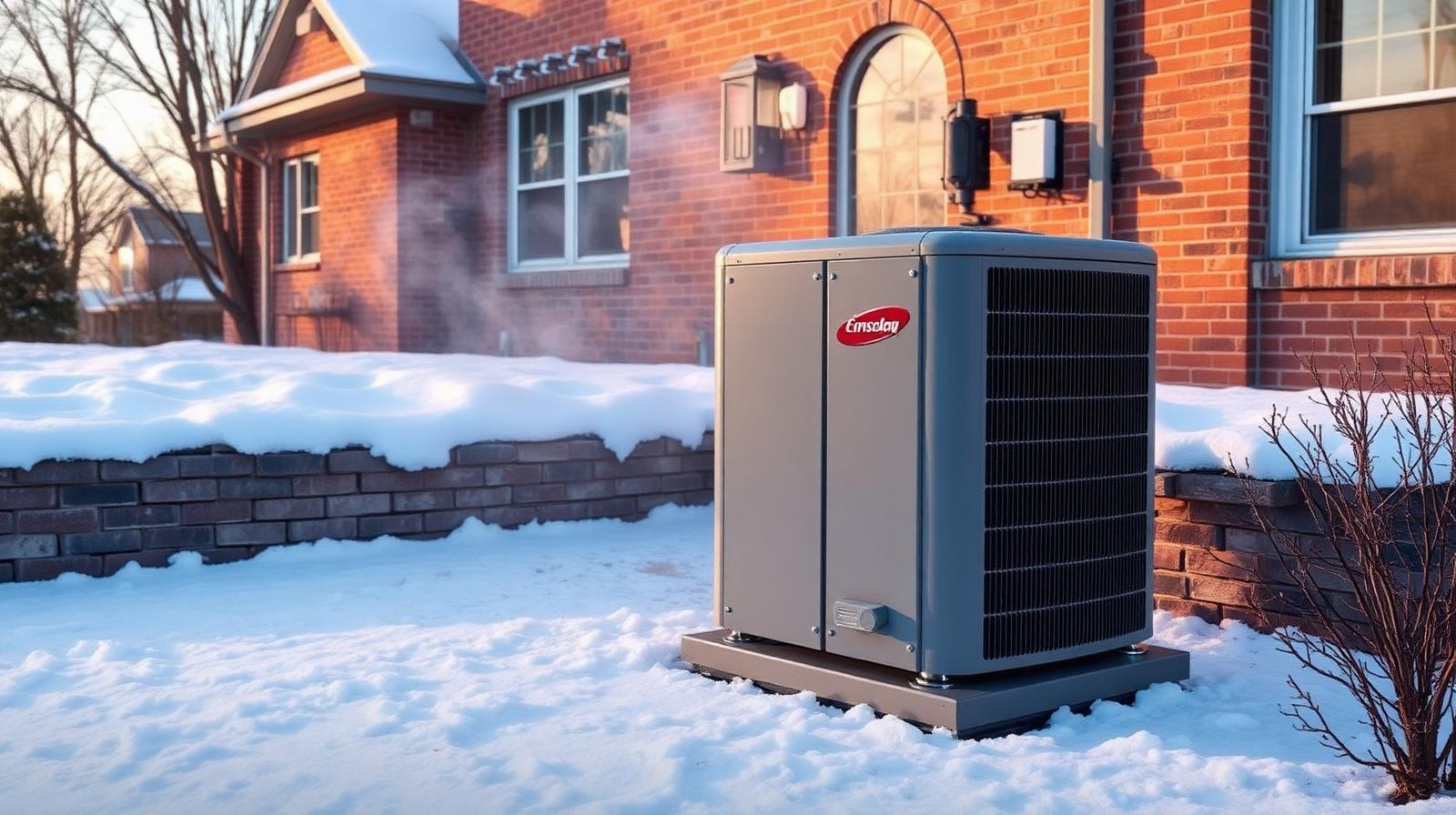
For 30 years the conventional wisdom in central Indiana was that heat pumps did not work in winter. It was true in 1995. It is not true in 2026. The technology has changed, the refrigerants have changed, and the math now favors heat pumps for most Muncie homes that already have central AC. Here is what is actually going on.
What changed
Three things changed between the older generation of heat pumps and the cold-climate units we install today.
Inverter-driven variable speed compressors
Older heat pumps were single-stage: compressor on, compressor off. At 25 degrees outside they ran flat out and still came up short on heating capacity. Modern inverter-driven systems can vary their compressor speed continuously, ramping up to 110 to 130 percent of rated capacity when conditions demand it. That extra headroom is what makes them work below freezing.
Better refrigerants and cycle design
R-410A and the newer R-454B refrigerants combined with vapor-injection cycles let modern heat pumps extract usable heat from outdoor air down into the single digits Fahrenheit. The latest cold-climate models from Trane, Mitsubishi, Bosch, and Daikin publish rated heating capacity at 5 degrees that older units could only produce at 47 degrees.
Better defrost logic
Older heat pumps wasted significant capacity on inefficient timed defrost cycles. Modern units use demand defrost based on coil temperature and pressure sensors, defrosting only when needed and only for as long as needed.
What to expect at 10 degrees
A modern cold-climate heat pump in Muncie at 10 degrees outside will:
- Deliver about 65 to 80 percent of rated heating capacity (vs zero from an old heat pump)
- Run a COP (coefficient of performance) of about 1.8 to 2.3, meaning roughly 2 units of heat per 1 unit of electricity
- Cycle through 3 to 6 defrost cycles per day depending on humidity
- Cost less per BTU delivered than backup electric resistance heat, and competitive with natural gas at current Indiana utility rates
Below 5 degrees, even cold-climate units start losing efficiency. That is where dual-fuel comes in.
Dual-fuel: the right answer for most Indiana homes
Dual-fuel pairs a heat pump with your existing gas furnace. The thermostat picks whichever is cheaper per BTU at the current outdoor temperature, called the balance point. Above the balance point, the heat pump runs and delivers efficient heat at low operating cost. Below the balance point, the gas furnace takes over.
Typical Muncie balance points work out around 25 to 35 degrees Fahrenheit, meaning the heat pump handles 80 to 90 percent of annual heating hours and the gas furnace covers the coldest 10 to 20 percent. You get efficient heat-pump performance on most of the heating season and the certainty of gas backup on the coldest weeks. Best of both.
What if you have no gas?
All-electric homes can run a cold-climate heat pump with electric resistance backup. The resistance backup is expensive per BTU but only kicks in below the heat pump's effective floor, which on a properly sized cold-climate unit is rare in Muncie weather. We size carefully and walk you through annual operating cost estimates before installing.
The economics today
Two things shifted the math in favor of heat pumps in Indiana:
- The federal IRA Section 25C tax credit gives up to 2,000 dollars off a qualifying heat pump install
- Indiana natural gas prices have crept up while electricity has remained flat-ish in real terms
For homeowners already facing a central AC replacement, the upgrade cost from a straight AC to a dual-fuel heat pump is meaningfully smaller than the upgrade cost from a window unit to central AC. You are already paying for the outdoor unit, the line set, the indoor coil. The incremental cost for heat pump capability is often 1,500 to 3,500 dollars before the tax credit. After credit, it can pay back in 4 to 7 years on saved heating cost.
What we install
Our standard recommendation for a Muncie home with existing natural gas service: a dual-fuel system with a Trane (or comparable Mitsubishi or Bosch) cold-climate heat pump and either your existing gas furnace, if it has useful life remaining, or a new 95+ AFUE furnace if it is also at end-of-life. Balance point set on a smart thermostat that can read both indoor and outdoor temperatures.
Call us for an in-home estimate. We will measure, run the load calc, and quote two equipment tiers with annual operating cost numbers for each.