June 5, 2026·Blog
When to Repair vs Replace Your AC: The 10-Year Cost Decision
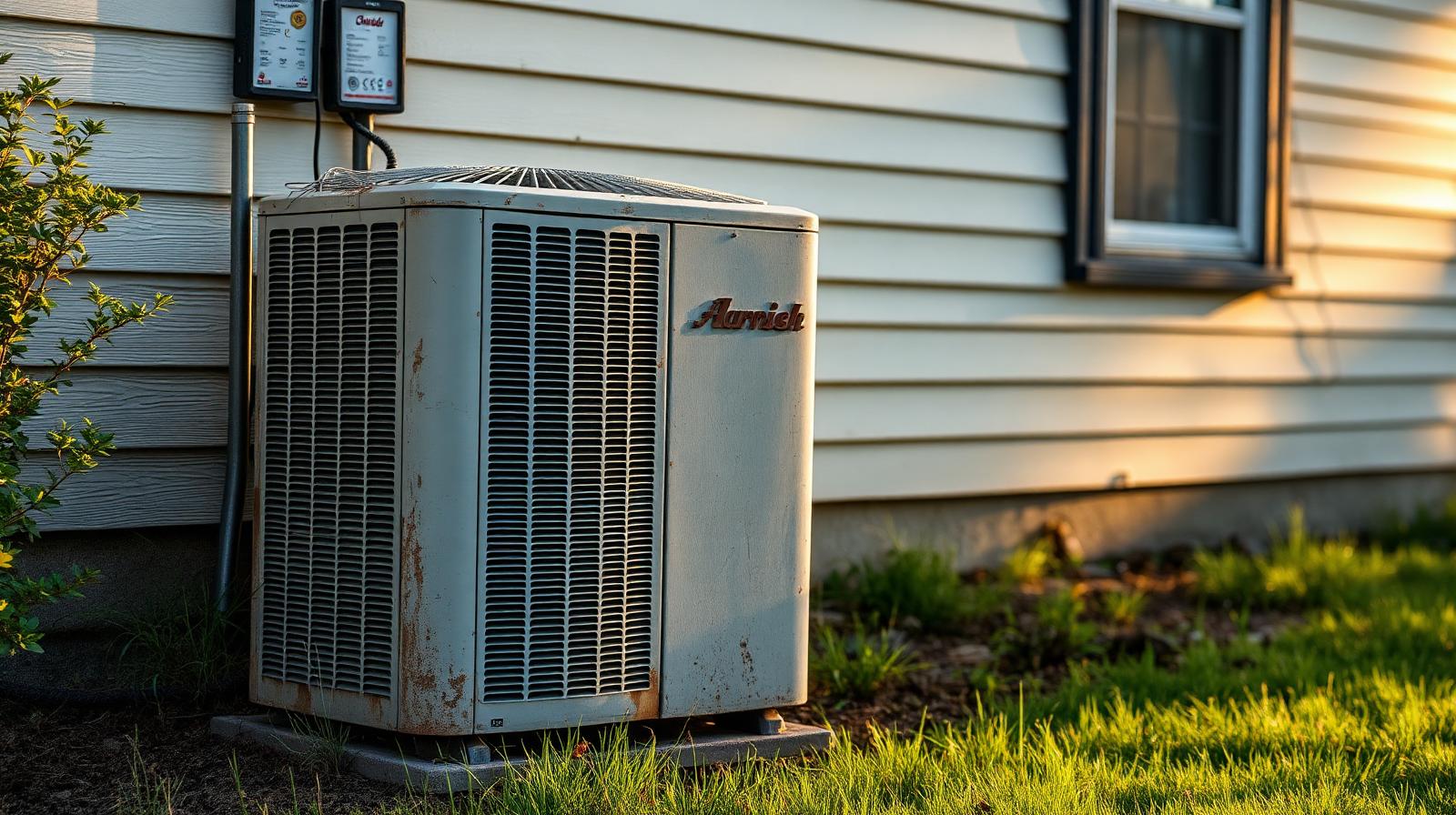
Forget the old "50 percent rule" you have seen on contractor blog posts. The idea was simple: if the repair cost is more than 50 percent of the cost of a new system, replace it. That rule was already crude in 2005 and it is actively misleading in 2026. Here is how we actually run the repair vs replace numbers for Muncie homeowners staring down a major AC repair quote.
The 10-year cost framework
The honest way to compare a 1,800 dollar compressor repair against a 7,500 dollar replacement is on total cost of ownership over the next 10 years, not the sticker price today. Three inputs:
- Repair path total: the cost of this repair, plus expected additional repairs over the next 10 years on this aging system, plus operating cost (electric bills) at the system's current efficiency.
- Replace path total: the cost of new equipment minus any tax credits and rebates, plus expected maintenance, plus operating cost at the new system's higher efficiency.
- Failure risk: probability the existing system has a second major failure within the 10-year window. On a 14+ year system, that probability is meaningfully above 50 percent.
A worked example
Hypothetical: 13-year-old 3-ton central AC in a Muncie ranch. Compressor failed. Repair quote: 1,900 dollars for compressor replacement. New 16 SEER2 replacement: 8,200 dollars installed, minus 600 dollar utility rebate and 600 dollar federal credit, net 7,000 dollars.
Repair path:
- This repair: 1,900
- Expected 1 to 2 more repairs in the next 10 years (capacitor, contactor, fan motor): 800 to 1,400
- Operating cost: 13-year-old system runs at maybe 10 SEER effective. 10 years of August electric bills: assume 10 to 15 percent higher than a new 16 SEER2. On an average Muncie summer that is 80 to 130 dollars per year, or 800 to 1,300 over 10 years.
- Failure risk: 50 to 70 percent chance the system fails completely within 5 to 7 years, requiring replacement anyway at then-current pricing (likely higher than today's).
- Probability-weighted repair total: roughly 3,500 to 5,000 dollars over the next 10 years, then full replacement on top of that.
Replace path:
- Net replacement cost today after credits: 7,000
- Maintenance plan over 10 years: roughly 2,000
- Operating cost: 800 to 1,300 lower over 10 years than the old system.
- Total: about 9,000 dollars over 10 years.
- Failure risk: low. Most new systems easily reach 12 to 15 years with annual maintenance.
On these numbers, replace and repair are surprisingly close on a strict dollar-for-dollar basis. The deciding factors become non-dollar: do you want a guaranteed cool summer for the next 10 years, or are you willing to accept some risk that the old unit dies again in year 4 and you replace at panic prices in August?
When repair wins clearly
- System is under 8 years old, regardless of repair cost (most components are still under manufacturer warranty)
- Repair is under 600 dollars and the system has good history
- You are planning to sell the home within 2 years
- The repair is a high-confidence fix on a single failed component (capacitor, contactor, drain line)
When replace wins clearly
- System is over 15 years old and the repair is significant
- Refrigerant is R-22 and the repair involves recharge or leak repair
- Compressor has failed on a 12+ year system
- The system has had 2 or more major repairs in the last 3 years
- Ductwork is undersized or leaking and a replacement is the opportunity to fix it
What we will not do
We will not push you toward replacement when the math favors repair. We will not undersell a repair so you have to call us back in 6 months. We hand you the written quote for both paths and let you decide. That is the entire pitch.