June 5, 2026·Blog
Spring AC Tune-up Checklist for Indiana Homeowners
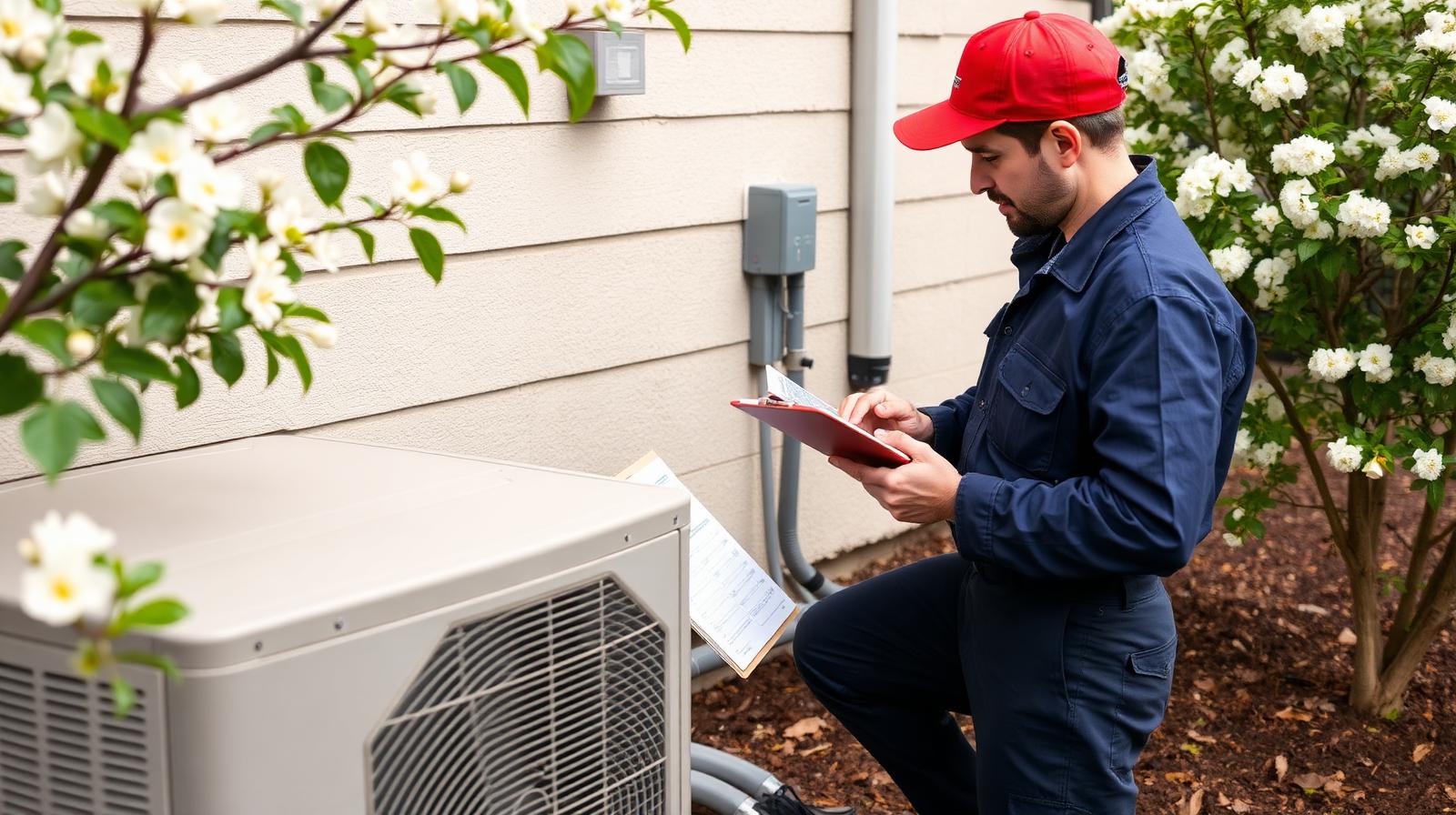
A real spring tune-up is not just a contractor showing up, hosing off the condenser, and writing a clean invoice. It is a 45 to 60 minute systematic inspection with 20 measurable checkpoints, and the value is in the 4 or 5 of those that will actually catch the breakdown waiting to happen.
Here is the full list and a short note on which ones matter most for Indiana homeowners.
The 20 points we hit
- Outdoor coil cleaning with a coil-safe cleaner
- Bent fin straightening
- Fan motor amp draw measurement and comparison to nameplate
- Compressor amp draw measurement
- Capacitor microfarad rating test against spec
- Contactor inspection for pitting and burn marks
- Refrigerant suction pressure
- Refrigerant liquid pressure
- Superheat or subcool calculation depending on metering device
- Indoor evaporator coil visual inspection
- Condensate drain line flush
- Condensate float switch test
- Blower motor inspection and amp draw
- Blower wheel inspection for dust buildup
- Air filter check and replacement
- Thermostat calibration and battery
- Temperature split across the coil (target 18 to 20 F)
- Disconnect inspection at the condenser
- Refrigerant line insulation check
- Outdoor unit level on the pad
The 4 that catch breakdowns
If we only had time to do four checks, these are the four:
Capacitor microfarad test
A 45 microfarad capacitor reading 32 will still start the system, but it is on the way out. Replacing it now is a 200 dollar visit. Replacing it after it fails on a Sunday afternoon in July is a same-day diagnostic plus a hot, miserable house. This single check is responsible for catching more pending failures than anything else on the list.
Refrigerant pressures and superheat/subcool
Slightly low refrigerant charge causes the evaporator coil to run colder than designed, eventually icing up under high humidity. By the time the homeowner notices "weak airflow," the coil is frozen solid and we need to defrost for 2 to 4 hours before we can even diagnose. Catching a 0.5 pound undercharge in spring prevents the August service call.
Condensate float switch test
The float switch shuts the AC off if the drain pan fills, preventing water from dumping through a ceiling. They sometimes stick, fail open, or get bypassed during a previous service. A 30 second test confirms it works. The alternative is a flooded living room ceiling in August. Easy choice.
Contactor inspection
Contactors handle the high-current switching every time the AC starts. Pitting and burning on the contact surfaces causes irregular start behavior, eventually a stuck-on condition where the AC runs constantly. Catching a pitted contactor in spring is a 220 to 360 dollar fix. Replacing it after it has run the compressor 24 hours straight and welded itself shut is a much bigger conversation.
What a tune-up will not catch
A spring tune-up is not a crystal ball. It will not catch:
- Refrigerant leaks that have not yet shown up on pressures
- Sudden electrical faults from a summer lightning strike
- Ductwork separations that happen mid-season
- Compressors that fail at hour 80,000 with no warning signs
It is preventive, not predictive. But the math is still in your favor: a 110 to 160 dollar single-visit tune-up, or a 180 to 250 dollar annual maintenance plan that includes priority scheduling and a repair discount, prevents enough mid-season failures to pay for itself most years.
When to schedule
Book between mid-March and late April for the smoothest scheduling. By mid-May we are routing around same-day emergency calls and tune-up slots become harder to fit. Same-day tune-ups in July are technically possible, but you are competing with broken-system calls for the same techs and we always prioritize broken systems.